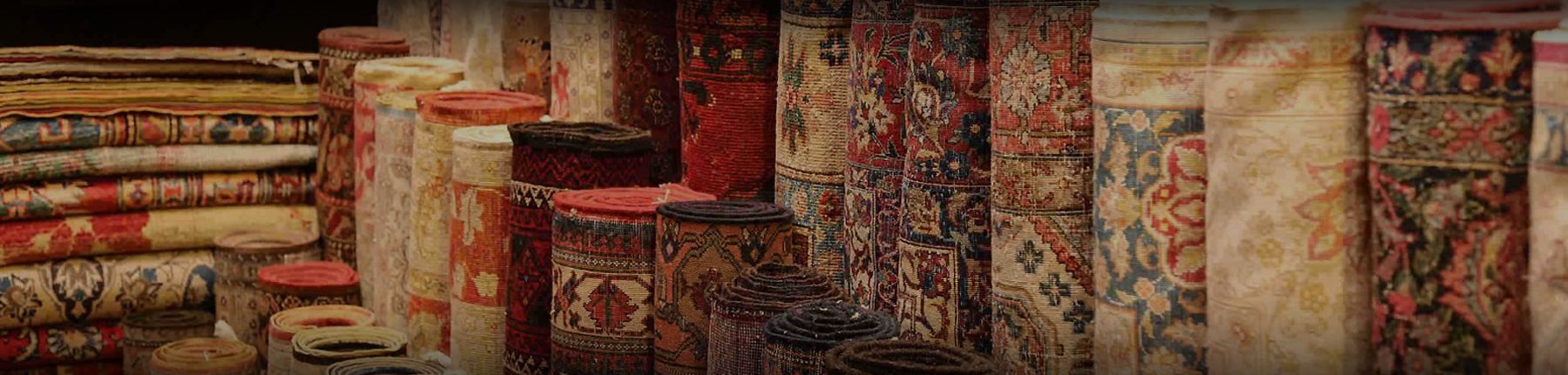
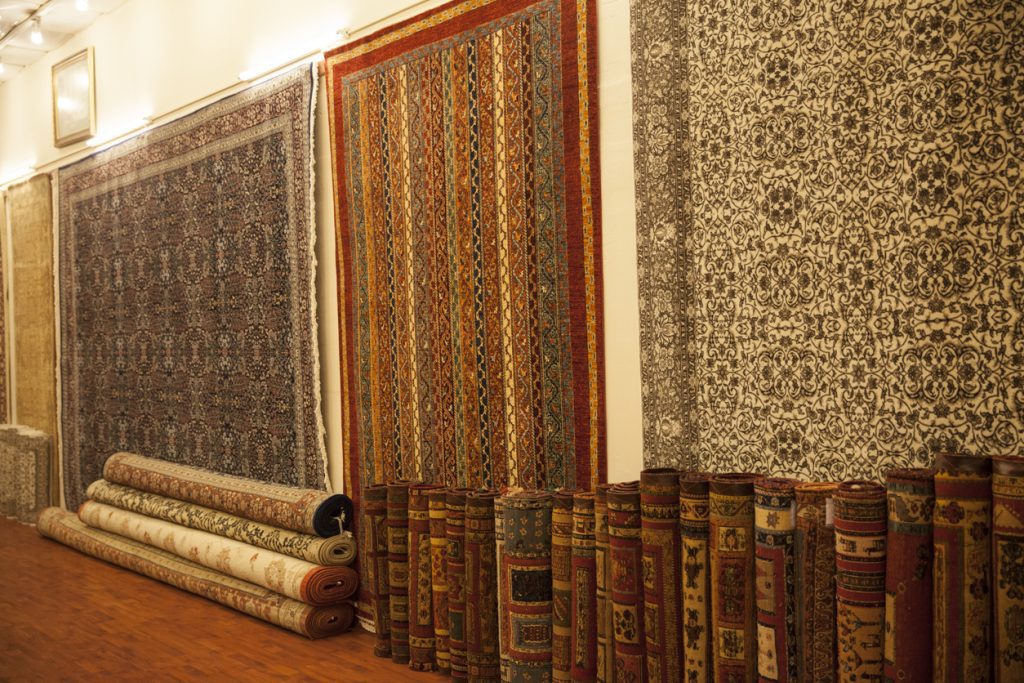
The timeless allure of Oriental rugs lies in their remarkable journey—from humble necessities crafted by nomadic tribes to cherished statement pieces in contemporary homes. These handwoven masterpieces, often called Persian, Turkish, or broadly Oriental rugs, embody centuries of cultural exchange, artistic innovation, and enduring craftsmanship.
Ancient Origins: The Nomadic Beginnings
Thousands of years ago on the steppes of Central Asia, nomadic tribes needed practical solutions for a harsh climate while they were “on the go”. Early woven rugs from these cultures were very rugged because they had to be. The rug needed to be sturdy, relatively comfortable and easy to roll up and store.
The skill of weaving was very important to these folks. They wove cloth and raw plant material into everyday items which they could wear, use on the ground or trade. Skill levels got better and better and eventually the rugs which came out of this reason were masterpieces. This is why rugs from Iran, Turkey, Mongolia, and surrounding areas are still to this day some of the best in the world.
The Rise of Artistry: Medieval to Imperial Eras
By the High Middle Ages, Oriental rugs evolved under the influence of settled societies and major empires. The arrival of Islam in the region elevated rug-making from utility to symbolic art, with designs often avoiding figurative representations in favor of abstract florals, medallions, and geometric motifs that carried spiritual or cultural significance.
Nomadic and village weavers continued producing bolder, more organic tribal rugs (like those from the Caucasus or nomadic Persian tribes), characterized by abrash (subtle color variations from natural dyes) and irregular, authentic charm—contrasting with the precise symmetry of city-made pieces.
Europeans would trade or outright purchase these fine rugs and bring them back to their homelands. The world was on notice that the best handmade rugs in the world came from Persia (the Middle East) & Asia.
Transition to the Modern Era
In the 18th century, a large international and even intercontinental marketplace was born. The descendants of the great nomadic people mentioned above now created rugs specifically for sale on open markets. Production rates grew as people specialized in nothing but making these items. The use of synthetic dyes and allowed newer looks and tones in the fabric. One thing remained the same though, the premium handmade rugs were in high demand and that demand has never ceased.